
Ultra-low Temperature Freezing System
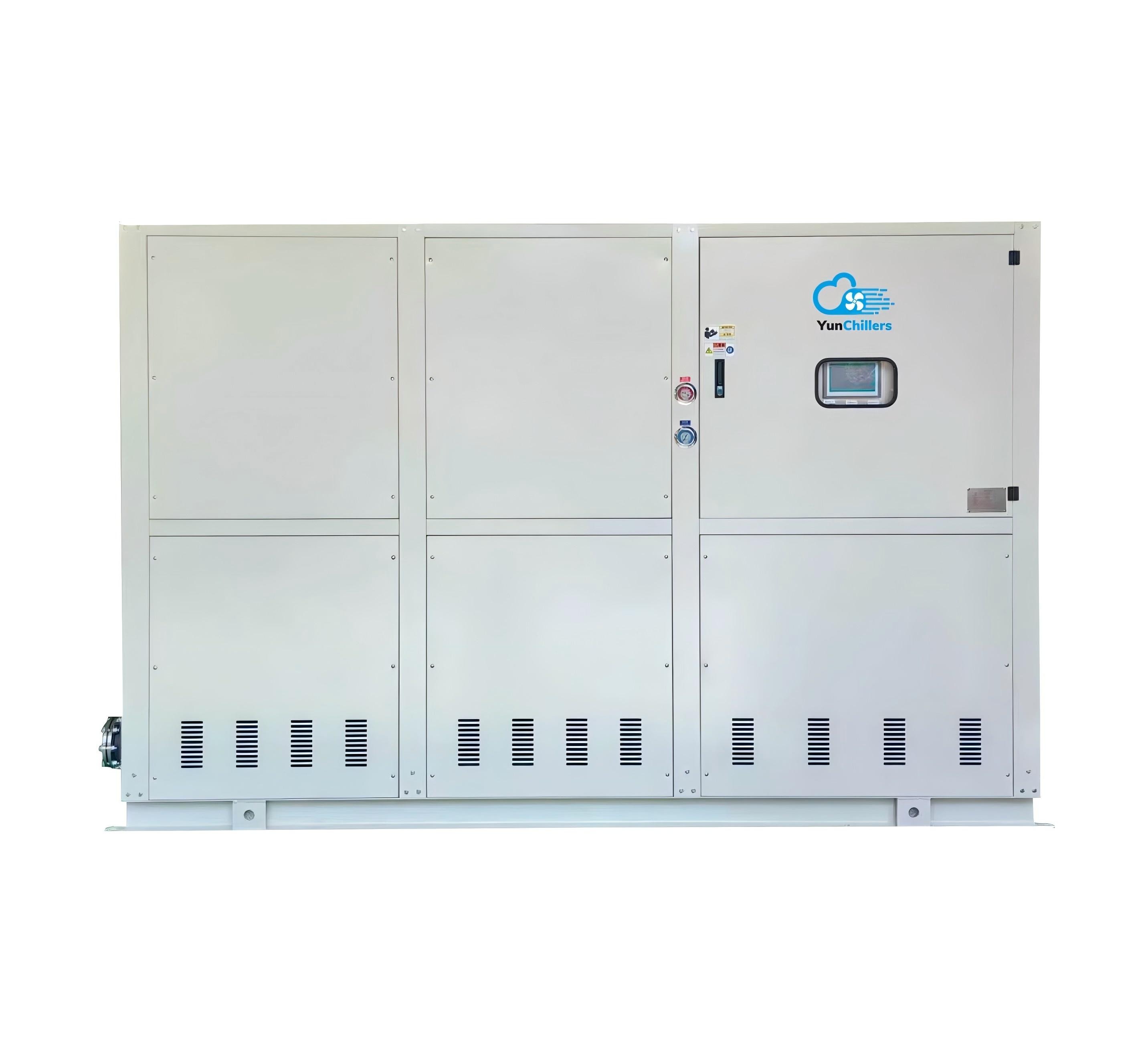
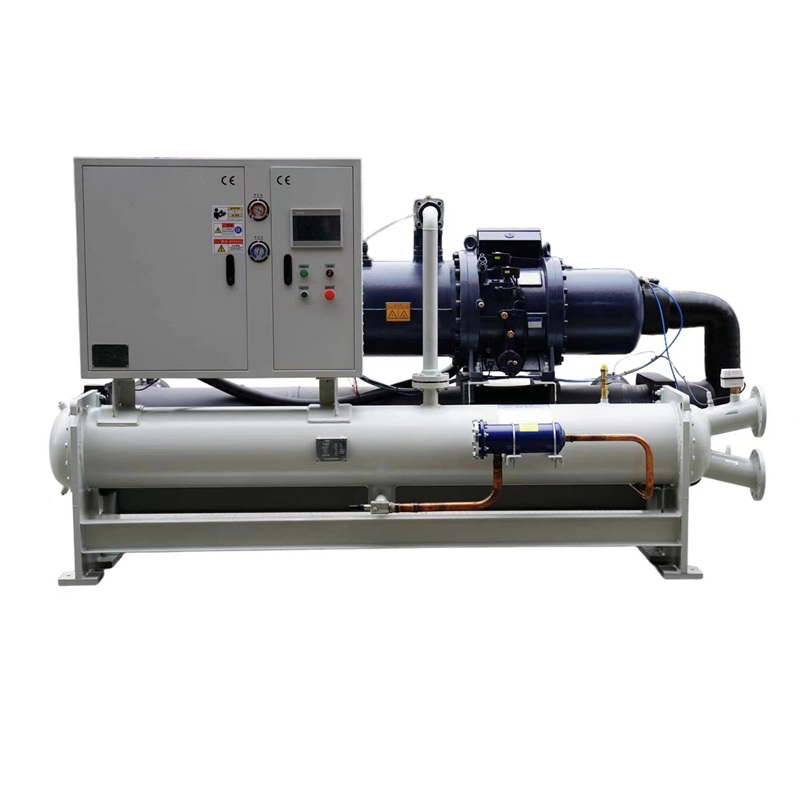
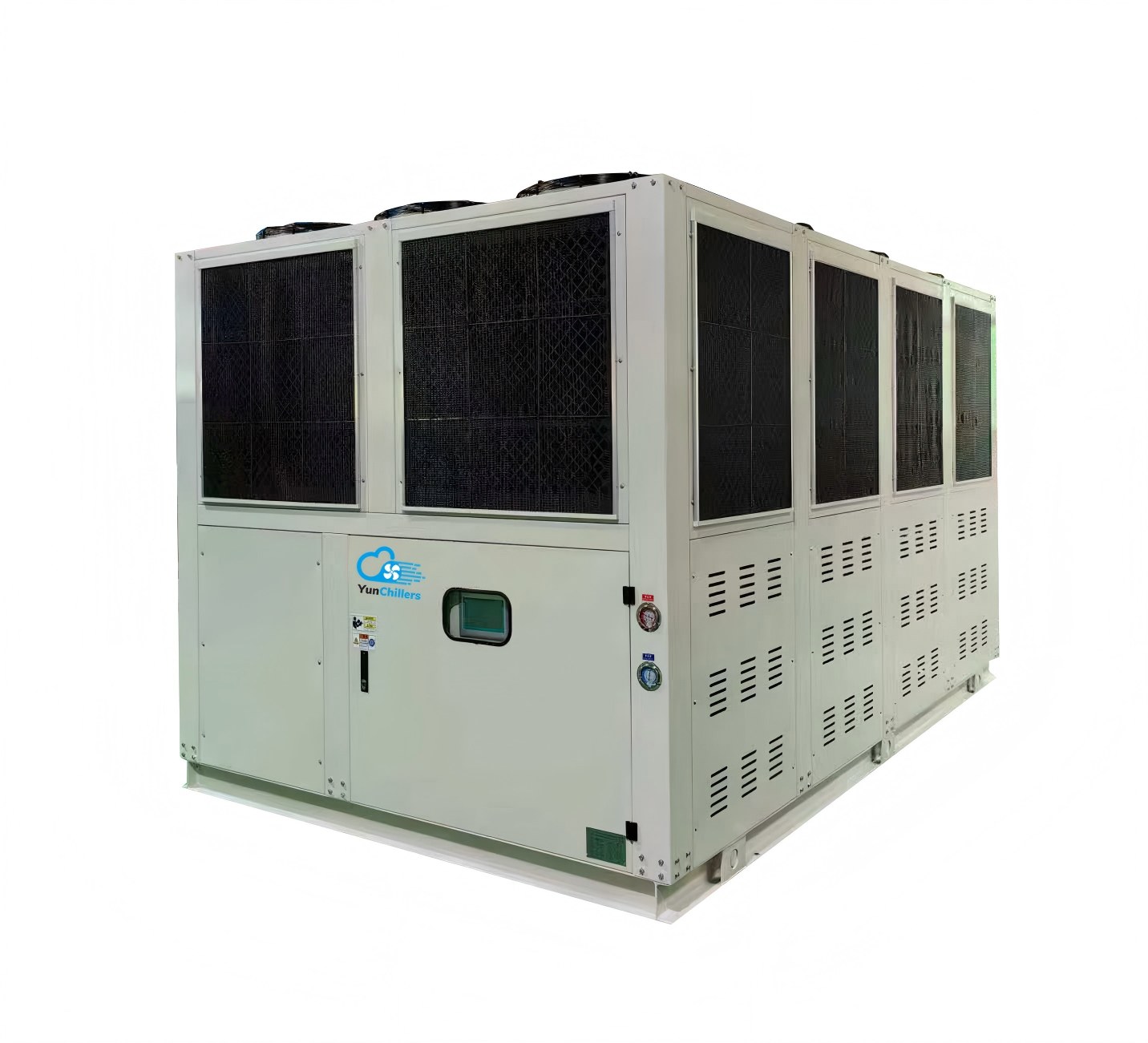
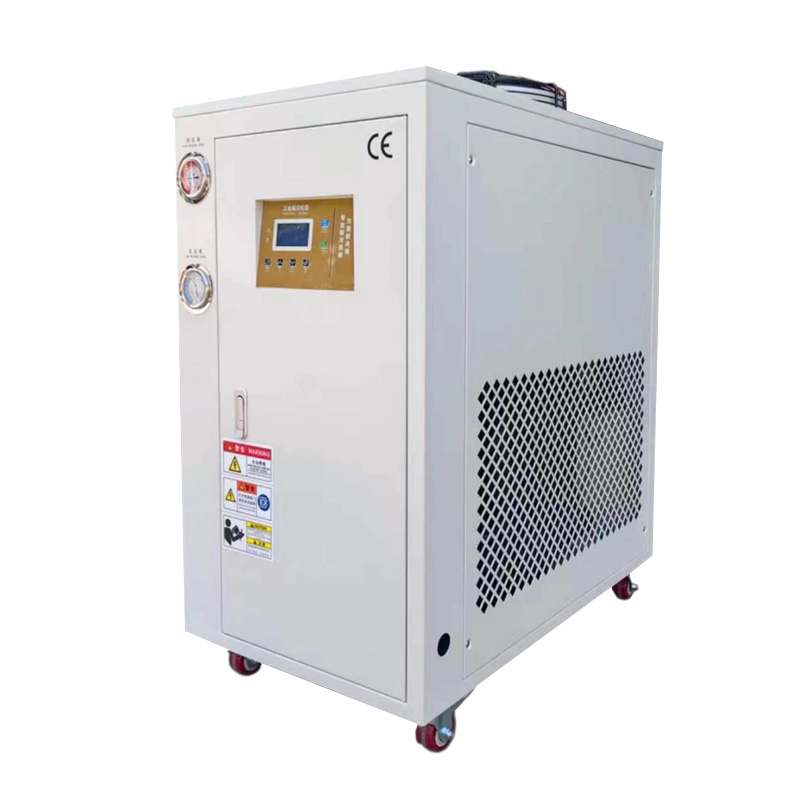
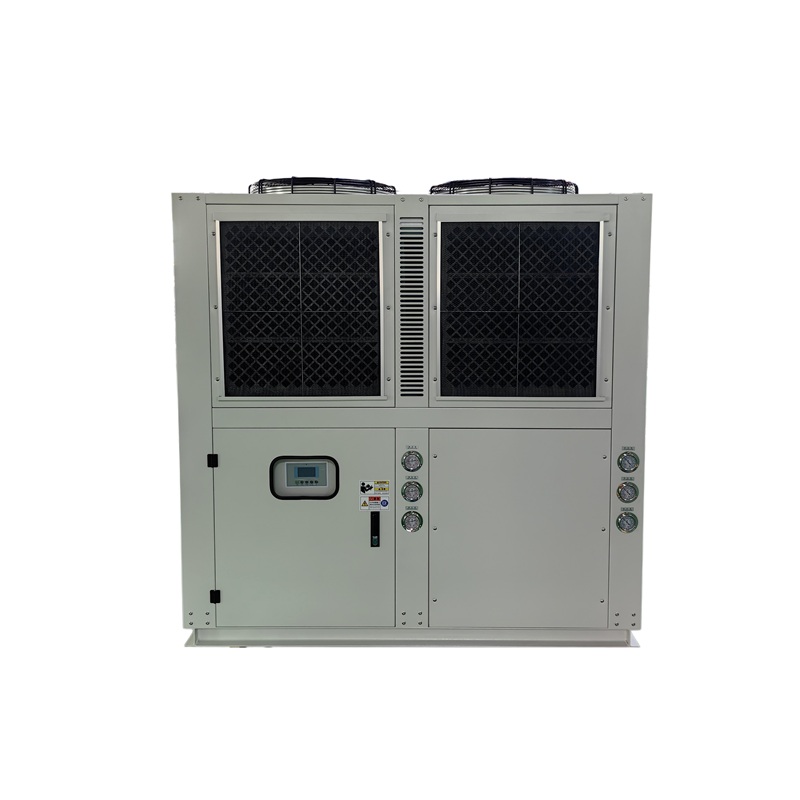
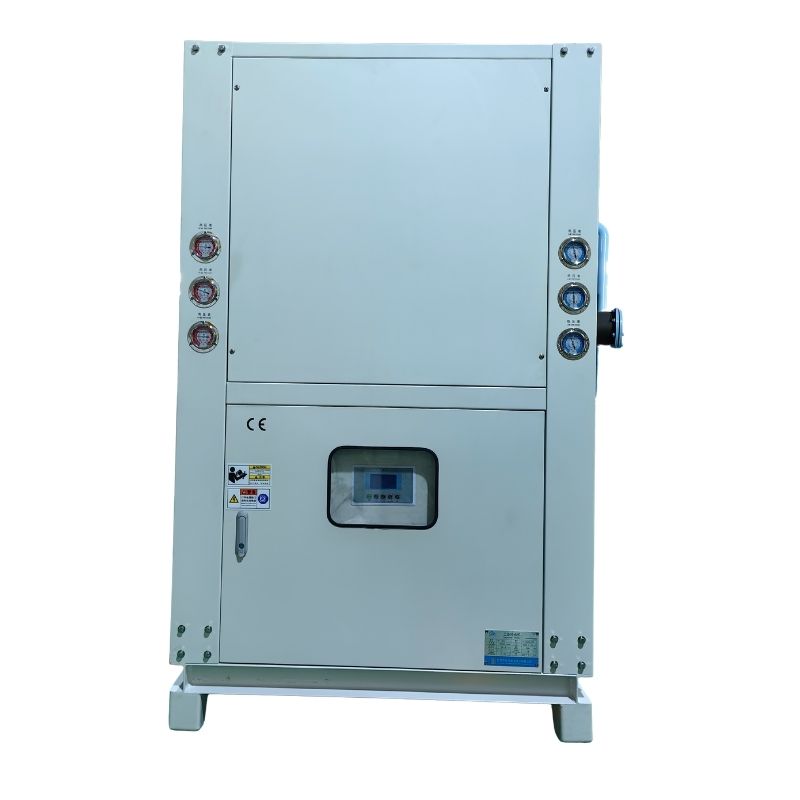
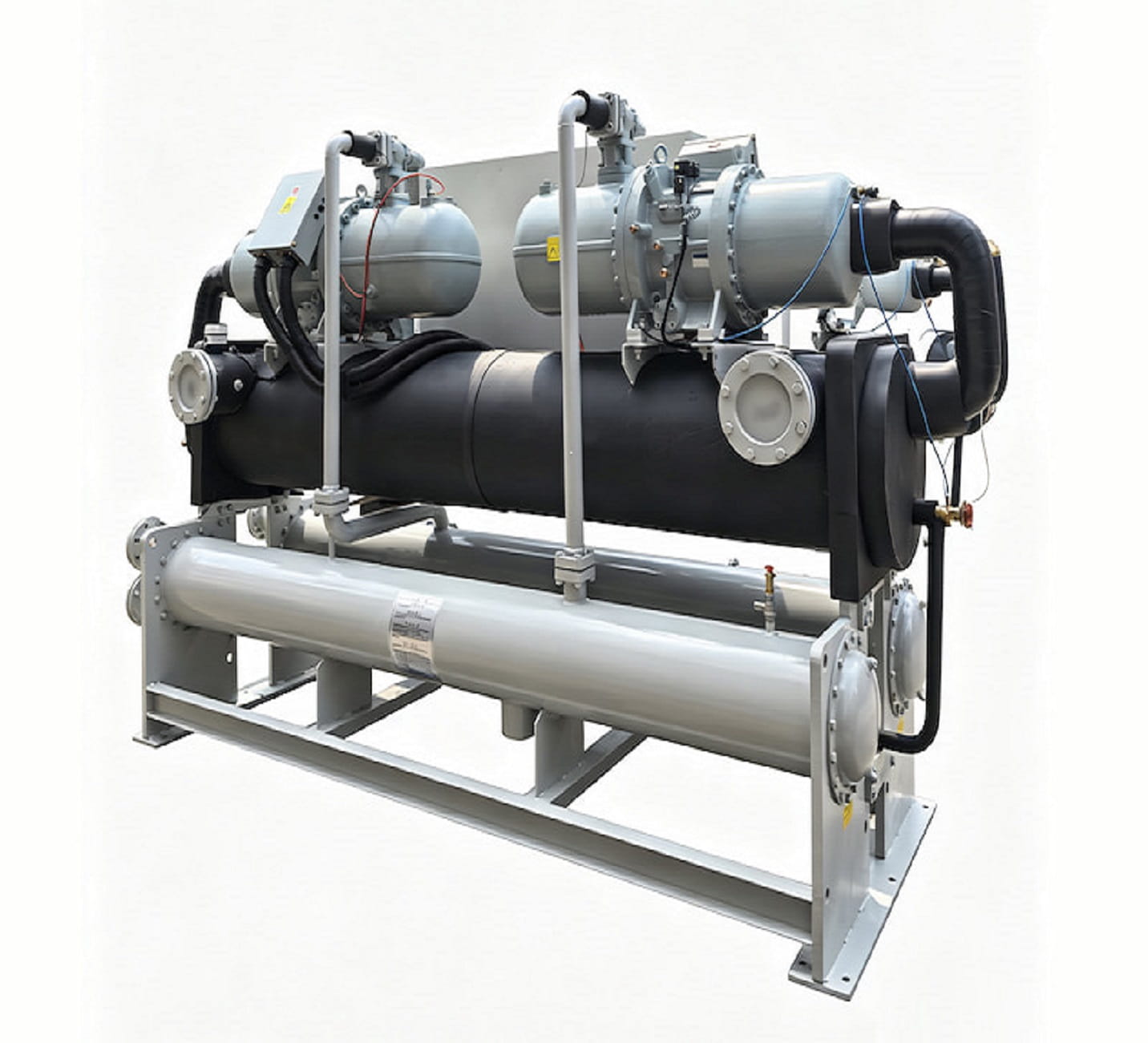
An ultra-low temperature chiller (ranging from -80°C to -40°C) is a machine capable of lowering the temperature of solids, gases, or liquids to extremely low levels. Its operating principle is primarily based on vapor compression refrigeration; specifically, a cascade refrigeration design is employed for temperatures as low as -50°C, while a single-unit, two-stage compression system is utilized for temperatures above -40°C. The underlying mechanism involves compressing a refrigerant into a high-temperature, high-pressure gas; this gas is then cooled by a condenser into a high-pressure liquid, which subsequently expands through an expansion valve into a low-temperature, low-pressure gas—thereby achieving the objective of lowering the target object's temperature. While this principle is similar to that of conventional refrigeration systems, our company distinguishes itself through its superior expertise and performance in the ultra-low temperature domain.
Ultra-low temperature chillers are widely utilized in research and development across various fields, including life sciences, chemistry, and physics. For instance, in the biomedical sector, these chillers are indispensable for the preservation of cells, lyophilized samples, tissues, organs, and even entire organisms; indeed, many groundbreaking advancements in biomedical research would be impossible without the application of ultra-low temperature technology. Furthermore, ultra-low temperature chillers are extensively integrated into manufacturing processes within industries such as semiconductors and optoelectronics—specifically for applications involving ultra-high vacuum cooling and pulse valve refrigeration.
The advent of ultra-low temperature chillers has brought immense convenience to scientific research and industrial development. Although these units were considered relatively expensive equipment just a decade ago, years of dedicated R&D by our company's senior engineers have resulted in a significant reduction in manufacturing costs; nevertheless, users still require trained professionals to handle their operation and maintenance.
Read More